The Self-Advocate Coalition of Kansas (SACK) has long been a driving force for change, ensuring that people with intellectual and developmental disabilities (IDD) are not only heard, but included in the decisions that affect their daily lives. In a recent conversation with Pathways to Oral Health, Angie Reinking, Executive Director of The Arc of Douglas County, and Shane Lewis, SACK Advocate, shared their perspectives on advocacy, leadership, and why access to quality health and dental care is essential for Kansans with disabilities.
The Arc and SACK: A Shared History of Advocacy
The Arc of Douglas County has been supporting individuals with IDD for over 65 years. As Angie explained, The Arc helped launch SACK years ago, recognizing the need for a self-advocacy group where individuals could speak for themselves. Today, The Arc continues to provide administrative support while SACK operates as an independent statewide nonprofit.
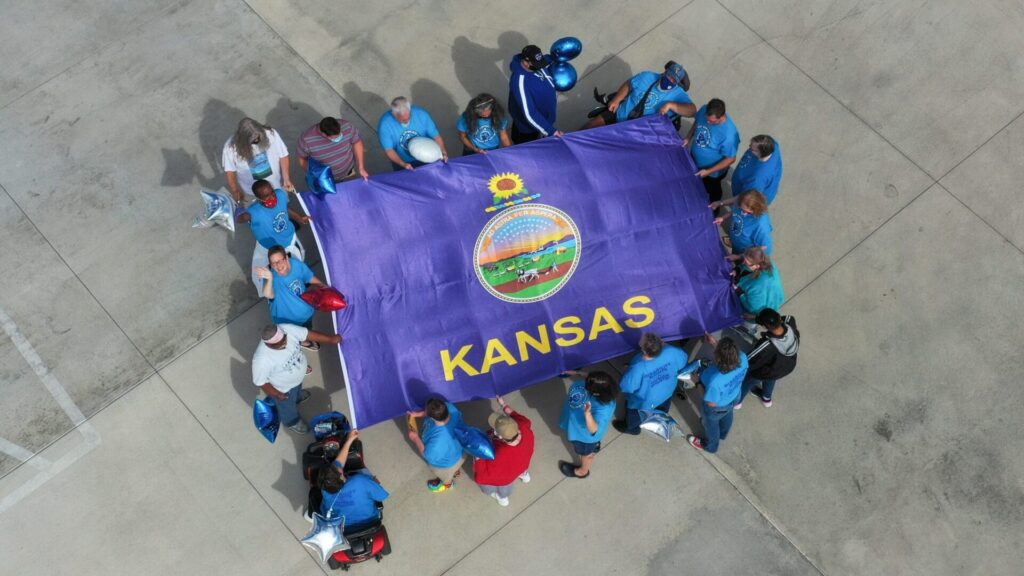
While The Arc serves people in a few Kansas counties, SACK’s reach is statewide. The organization builds and maintains advocacy groups across Kansas, provides training, and hosts an annual conference that brings together self-advocates, families, and partners. At its core, SACK’s mission is simple but powerful: elevating and empowering the voices of people with IDD.
“Nothing About Us Without Us”
At the heart of SACK’s philosophy is the principle nothing about us without us. As Shane explained, this means making sure people with disabilities are always included in conversations and decisions that affect their lives. “Just like all the other minority groups, we should be included as well,” he said. “Everybody is a temporarily able-bodied person — I like to call that TAB. Just remember, everyone has a voice. Even people with disabilities also want to say things, just like everyone else.”
Finding and Using a Voice
For many self-advocates, finding their voice can be challenging. Shane, however, came to SACK confident in speaking up — whether one-on-one or before legislators. He recalled, “Sometimes somebody hears something from you, and you don’t realize it makes an impact until later.” His story of inspiring a young student during a panel highlights just how powerful representation and lived experience can be.
Angie emphasized that SACK helps individuals recognize they don’t need to apologize for asking questions or taking up space. “A good life includes being heard,” she said, “and that means encouraging people to proudly share their perspectives without saying ‘sorry.’”
Dignity of Risk
One of SACK’s guiding philosophies is the concept of dignity of risk — the right of individuals with disabilities to make their own choices, including mistakes, and learn from them. As Shane explained, “Everyone makes mistakes, and people with disabilities deserve the same right. Supportive decision-making is about surrounding yourself with people you trust, not losing your independence.”
Why Dental Care Matters
Dental care is one area where inequities are particularly visible. Shane shared his personal challenges with long waiting lists and difficulty finding providers who accept Medicaid. Angie echoed that even in Lawrence — a sizable community — there are too few Medicaid dental providers, especially for adults.
As Angie explained, oral health is not just about teeth: “It impacts employment, confidence, relationships, and overall quality of life.” That’s why Pathways to Oral Health values its partnership with SACK. Together, we are working to ensure that dental care is recognized as an essential part of health for all Kansans.
Looking Ahead
SACK’s work is rooted in a simple truth: advocacy changes systems. By training leaders, building confidence, and supporting self-advocates across Kansas, SACK ensures that people with disabilities are not only part of the conversation but at the center of it. Their voices drive change — in health care, in policy, and in our communities.