Sensory-Friendly Modifications for the Dental Office
For many patients, a trip to the dentist can feel overwhelming. Individuals with autism, ADHD, anxiety, sensory processing differences, developmental disabilities, or trauma histories may experience heightened sensitivity in a traditional dental environment.
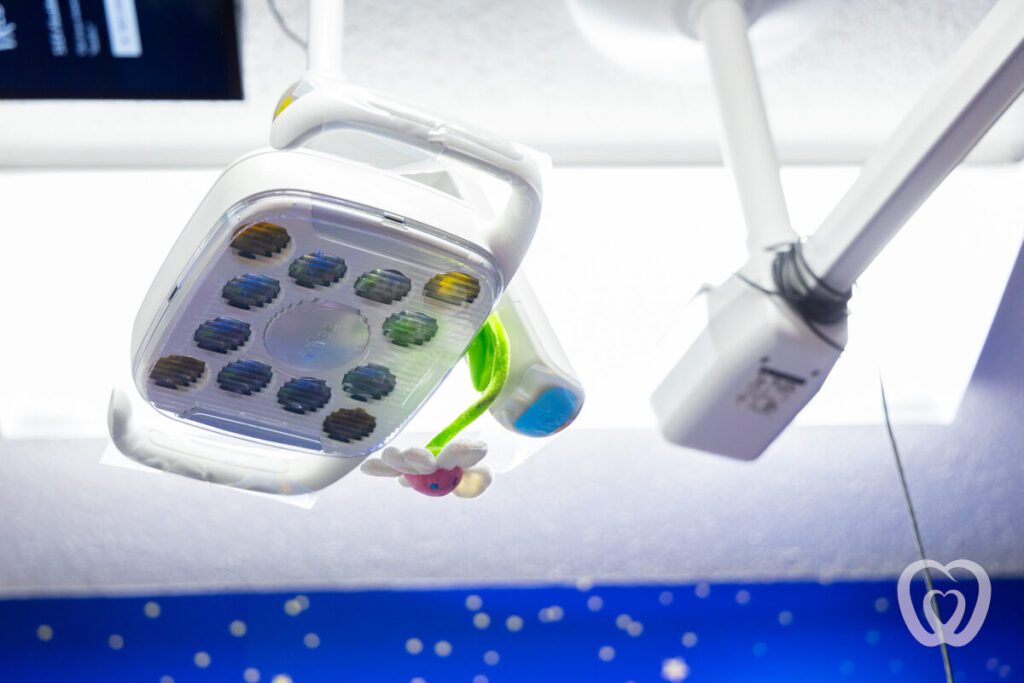
Bright lights, unfamiliar sounds, strong smells, and close physical contact can quickly lead to sensory overload. The good news is that creating a more sensory-friendly dental office doesn’t require major renovations or expensive equipment. Often, small and intentional changes can make a meaningful difference in a patient’s comfort and overall experience.
Through the Pathways to Oral Health initiative, Oral Health Kansas and its partners are working to expand access to dental care for individuals with intellectual and developmental disabilities across Kansas. One-way dental teams can support this effort is by understanding sensory needs and making simple adjustments that help patients feel more comfortable and supported during their visit.
Start with Preparation
One simple step dental offices can take is using the My Dental Care Passport. This tool allows patients or caregivers to share helpful information before their appointment, including communication preferences, sensory sensitivities, mobility considerations, and past dental experiences. Having this information ahead of time allows dental teams to plan small accommodations that can reduce anxiety and help visits go more smoothly.
Small Changes That Make a Big Difference
Many sensory-friendly strategies are easy to implement, such as:
- Scheduling patients during quieter times of the day
- Greeting patients before putting on PPE and speaking directly to them
- Using clear instructions and the “tell–show–do” approach
- Offering breaks and allowing patient-paced care
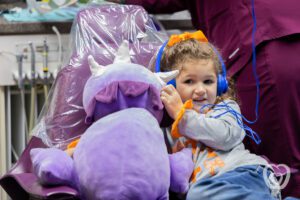
- Providing comfort tools like headphones, fidgets, or visual schedules
- Limiting strong scents in the office and using unscented products when possible
Some offices choose to create a small sensory toolkit that can be brought into the operatory when needed.
Expanding Access Through Inclusive Care
When dental teams take steps to reduce sensory challenges, visits become more successful for both patients and providers. Small adjustments help build trust, improve cooperation, and create a more welcoming dental experience.
These efforts are also an important step toward expanding access to care for patients who are often underserved—including those enrolled in Medicaid.
As part of the Pathways to Oral Health project, Oral Health Kansas has developed Sensory-Friendly Modifications for the Dental Office, a practical guide filled with strategies and tools dental teams can begin using right away.
Download the full resource to explore how your practice can create a more sensory-friendly environment—and help expand access to care for patients who need it most.