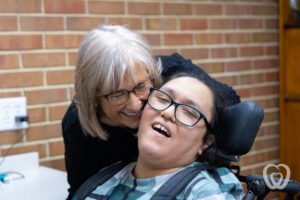
Use Your Voice to Help More Dentists Join Medicaid
Access to dental care should not depend on where you live or how you’re insured—but in Kansas, it often does. Fewer than 1 in 4

Access to dental care should not depend on where you live or how you’re insured—but in Kansas, it often does. Fewer than 1 in 4
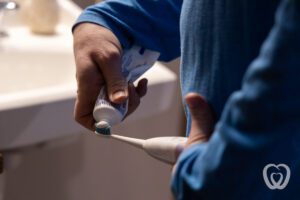
As part of the Pathways to Oral Health initiative, Oral Health Kansas has released a new caregiver training video and a training guide designed for

As part of the Pathways to Oral Health initiative, Oral Health Kansas has launched a new consumer video series called Confidence in Every Smile. The

The Self-Advocate Coalition of Kansas (SACK) has long been a driving force for change, ensuring that people with intellectual and developmental disabilities (IDD) are not
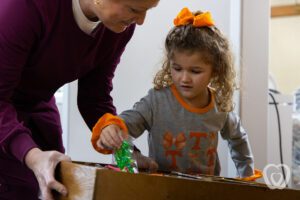
Families Together has supported Kansas families of children with disabilities for over 40 years. As an advocate in education and healthcare, they now champion oral health through the My Dental Care Passport. With a statewide impact, they help families build a vision for a better, healthier future.
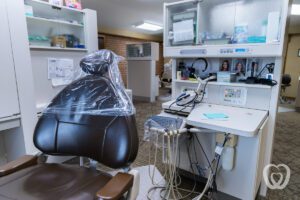
Improve your dental team’s confidence and care for patients with disabilities through the free Accessible Oral Health ECHO 2025 training. Learn practical, inclusive strategies from national experts and earn CE credits—all while building a more welcoming, patient-centered practice.
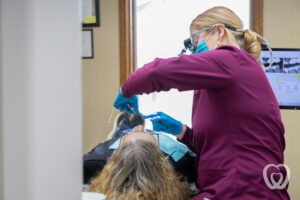
For over a decade, Mel Martin has served as the Director of Development and Training at the Community Care Network of Kansas (Community Care), where
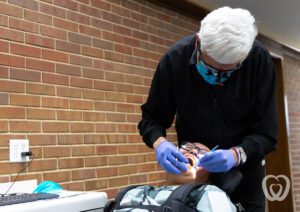
As a key partner in Pathways to Oral Health, InterHab is tackling barriers to dental care through advocacy, education, and tools like My Dental Care Passport, ensuring every Kansan can access inclusive, person-centered oral health services.

Kansas Medicaid (KanCare) now covers adult dental benefits, expanding access to essential care for individuals with disabilities. Find helpful tools like My Dental Care Passport, caregiver workshops, and dental provider directories through Oral Health Kansas and Pathways to Oral Health.
Empowering youth with disabilities to advocate for their own health is powerful. Encouraging autonomy in hygiene routines, providing educational materials in accessible formats, and celebrating